
July Newsletter: Understanding the Link Between ADHD Traits and Chronic Pain


Chronic pain is often viewed as a physical condition, but emerging research continues to reveal the important role that mental and neurological health play in how pain is experienced. A new study from researchers at the University of Tokyo has added another piece to this puzzle, finding that ADHD-related traits are associated with more severe chronic pain, largely through their influence on emotional and cognitive well-being.
Understanding the Study
Published in Scientific Reports, the study analyzed 958 adults receiving treatment for persistent chronic pain at multidisciplinary pain centers across Japan. Researchers screened participants for symptoms associated with Attention-Deficit/Hyperactivity Disorder (ADHD) and Autism Spectrum Disorder (ASD) to better understand how neurodevelopmental traits might influence pain severity.
The findings showed that approximately 17% of participants screened positive for ADHD-related symptoms, significantly higher than expected in the general population. More importantly, individuals with stronger ADHD-related traits were considerably more likely to report extremely severe chronic pain.
The Connection Isn't Direct
One of the study's most important findings is that ADHD-related traits do not appear to increase pain directly. Instead, researchers identified several psychological factors that help explain the relationship.
People with ADHD-related symptoms were more likely to experience:
Anxiety
Depression
Pain catastrophizing (a tendency to focus on and magnify pain while feeling helpless about it)
These emotional and cognitive factors acted as mediators, making pain feel more intense and difficult to manage. In other words, ADHD-related traits may influence how the brain processes and responds to chronic pain rather than causing the pain itself.
Why This Matters
Chronic pain affects millions of people worldwide and often persists despite conventional treatments. This study suggests that effective pain management may require looking beyond physical symptoms alone.
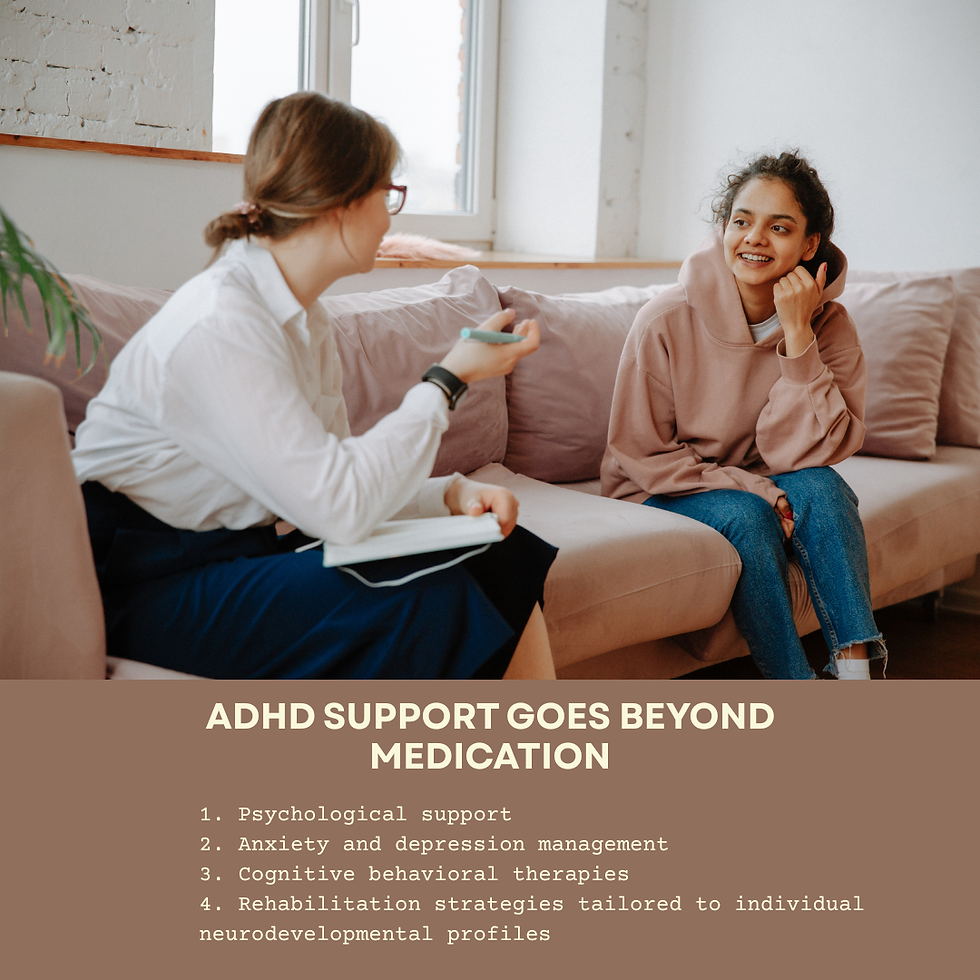
For patients with chronic pain, screening for ADHD-related symptoms could help healthcare providers develop more personalized treatment plans that include:
Psychological support
Anxiety and depression management
Cognitive behavioral therapies
Rehabilitation strategies tailored to individual neurodevelopmental profiles
Addressing these underlying psychological factors may improve both pain severity and overall quality of life.
What This Means for Patients
The findings should not be interpreted to mean that ADHD causes chronic pain. Rather, the study demonstrates an association between ADHD-related traits and increased pain severity. Because the research was cross-sectional, it cannot establish cause and effect. Additional longitudinal studies will be needed to determine exactly how these factors interact over time.
However, the research reinforces the growing understanding that chronic pain is influenced by biological, psychological, and social factors working together. Recognizing these connections may help clinicians provide more comprehensive, patient-centered care.
Looking Ahead
As scientists continue exploring the relationship between neurodevelopmental conditions and chronic pain, integrated approaches to treatment may become increasingly important. Future research could lead to earlier identification of patients at higher risk for severe pain and more effective interventions that address both physical symptoms and mental health.
For individuals living with chronic pain, these findings offer an encouraging perspective: understanding the whole person, not just the pain, may lead to better outcomes and improved quality of life.
Reference
Kasahara S, et al. Attention-deficit/hyperactivity disorder and autism spectrum disorder in chronic pain: a study in Japanese pain centers. Scientific Reports. Published April 23, 2026.
Join us on Social Media: Follow us for more insights and updates.
And Remember
"I want to make a difference in people’s lives!
I work to ensure everyone has an
equal opportunity to succeed."
-- Gretchen Pound, PhD


